Available courses

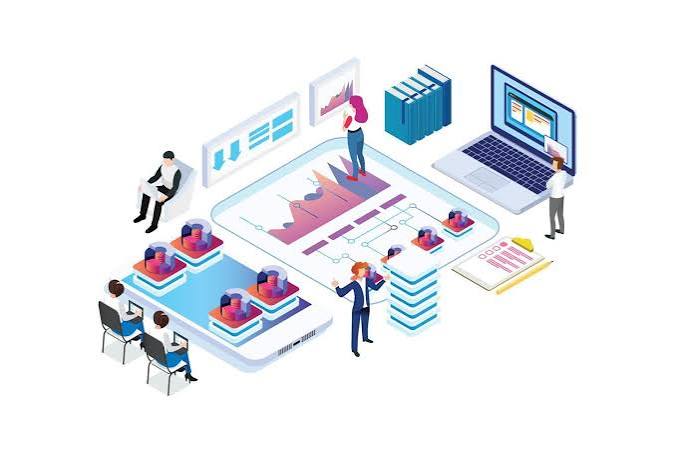
A Level 4 Data Analyst course develops the knowledge and skills needed to collect, analyse, interpret and present data to support business decision-making. It covers areas such as data collection, data quality, spreadsheets, databases, statistical analysis, data visualisation, reporting and data ethics. Learners develop the ability to identify patterns and trends, produce meaningful insights from data and communicate findings clearly to help organisations make informed decisions.

A Level 4 Network Engineer course develops the knowledge and practical skills needed to design, install, maintain and troubleshoot computer networks. It covers areas such as network infrastructure, routing and switching, network security, cloud technologies, network protocols, fault finding and system monitoring. Learners develop the ability to configure network equipment, diagnose network problems, maintain secure and reliable networks, and provide technical support to users and organisations.

A Level 4 Business Analyst course develops the skills needed to understand business problems, gather requirements, analyse information and recommend improvements. It covers areas such as business processes, stakeholder management, data analysis, requirements gathering, problem-solving, project work and communicating business solutions. Learners develop the ability to identify business needs, analyse current processes and help organisations make effective decisions and improvements.

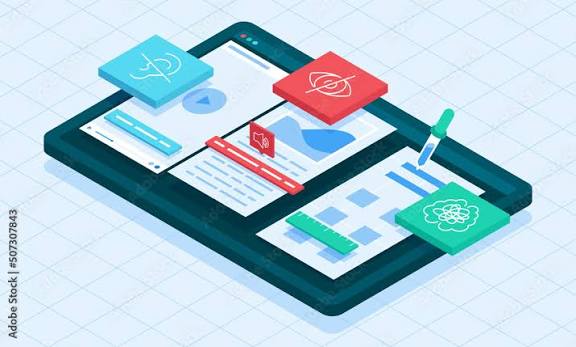
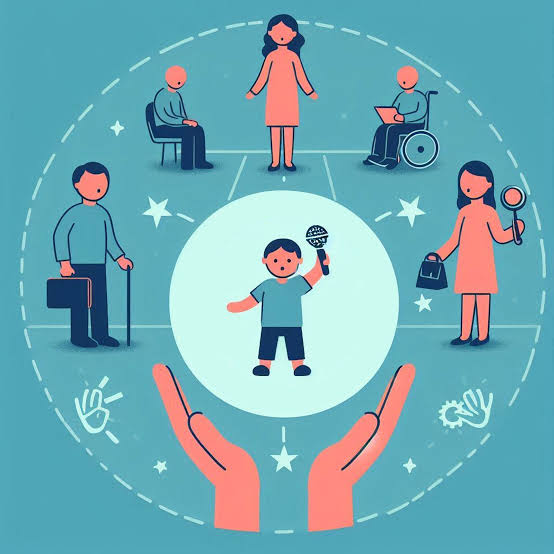
A Level 4 Digital Accessibility Specialist course develops the knowledge and skills needed to make digital products, services and content accessible to people with disabilities. It covers areas such as WCAG, accessibility standards and legislation, assistive technologies, accessibility testing, inclusive design, usability, data and compliance. Learners develop the ability to identify accessibility barriers, carry out accessibility assessments, recommend improvements and support organisations in meeting accessibility requirements.

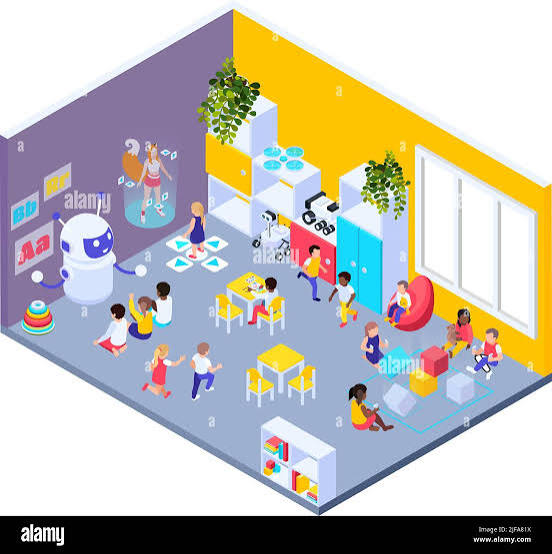
A Level 3 Children’s Learning and Development course develops the knowledge and skills needed to support children’s learning, development, health and wellbeing. It covers areas such as child development, safeguarding, communication, play-based learning, supporting individual needs, health and safety, and working with parents and other professionals. Learners develop the ability to create supportive learning environments, understand children’s developmental needs and promote their wellbeing and progress.

A Level 3 Early Years Educator course develops the knowledge and skills needed to support the learning, development, health and wellbeing of young children. It covers areas such as child development, safeguarding, communication, play and learning, health and safety, supporting individual needs and working with parents and professionals. Learners develop the ability to plan activities, create safe and supportive environments, and help children develop socially, emotionally, physically and intellectually

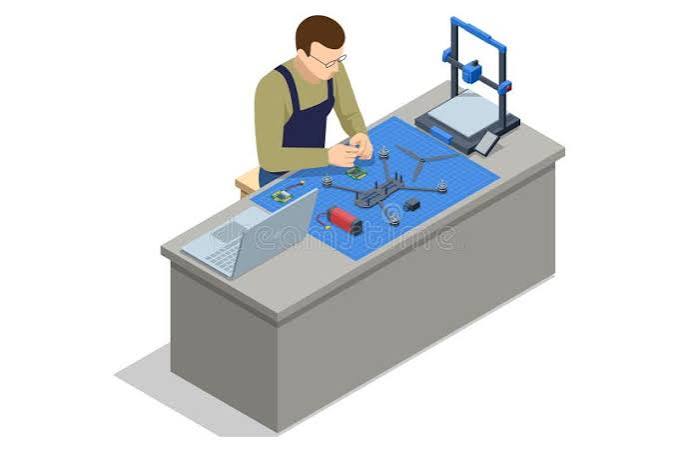
A Level 3 Digital Device Repair Technician course develops the knowledge and practical skills needed to diagnose, repair and maintain digital devices. It covers areas such as hardware components, fault finding, device repair, operating systems, software installation, data protection, health and safety and customer service. Learners develop the ability to identify technical problems, carry out repairs, test devices and provide effective technical support.

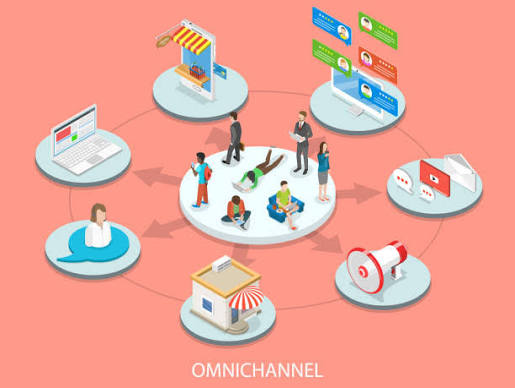
A Level 3 Multi-Channel Marketer course develops the knowledge and skills needed to plan, create and manage marketing campaigns across different digital and traditional channels. It covers areas such as social media, email marketing, content creation, customer engagement, market research, marketing strategies and campaign analysis. Learners develop the ability to understand target audiences, create effective marketing content, manage campaigns and use data to measure and improve marketing performance.

A Level 3 Digital Support Technician course develops the knowledge and skills needed to provide technical support and help users with digital technologies. It covers areas such as hardware and software, troubleshooting, operating systems, networks, cybersecurity, data management and customer service. Learners develop the ability to diagnose technical problems, resolve IT issues, support users and maintain reliable and secure digital systems.

A Level 3 ICT course provides learners with practical and theoretical knowledge of information and communication technology. It covers areas such as using computer systems, software applications, databases, networking, cybersecurity, data management and digital communication. Learners develop skills in problem-solving, IT support, creating digital solutions and working with technology in a professional environment.

A Level 2 ICT course develops the basic knowledge and practical skills needed to use computers and digital technology effectively. It covers areas such as computer systems, software applications, spreadsheets, databases, digital communication, online safety and data management. Learners develop the ability to use common IT software, manage information, communicate digitally and solve basic technical problems.

Tools for Learning are resources, techniques and technologies used to support and improve learning. This can include online learning platforms, digital resources, research tools, communication and collaboration software, productivity tools and educational materials. These tools help learners access information, develop skills, communicate effectively and manage their learning.

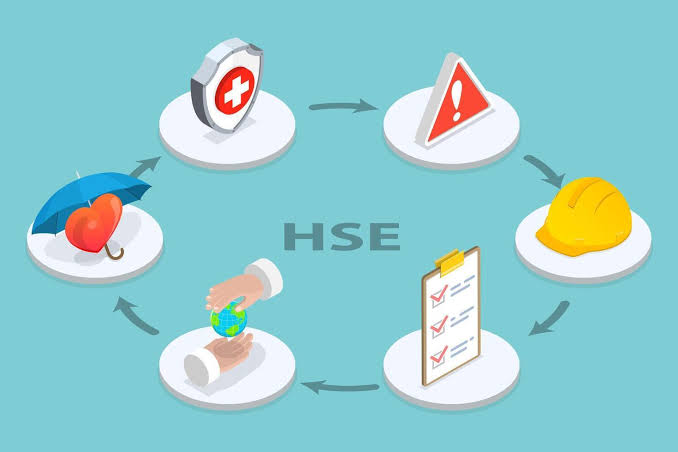
This section covers key knowledge and responsibilities that support a safe, inclusive and respectful learning and working environment. It includes preventing harm and safeguarding, health and safety practices, equality and diversity, and British Values such as democracy, the rule of law, individual liberty, and mutual respect and tolerance. Learners develop an understanding of how to stay safe, respect others, recognise risks, challenge discrimination and promote positive behaviour.

This section develops awareness of Female Genital Mutilation (FGM), including what it is, the risks and harm it can cause, and how to recognise potential signs that someone may be at risk. It covers safeguarding responsibilities, prevention, reporting concerns and supporting individuals appropriately. Learners develop an understanding of how to recognise concerns, respond safely and help protect children and vulnerable individuals from FGM.

This section develops awareness of forced marriage, including what it is, how it differs from an arranged marriage, and the potential physical, emotional and social harm involved. It covers recognising warning signs, safeguarding responsibilities, supporting individuals at risk and reporting concerns appropriately. Learners develop the knowledge needed to identify potential risks, respond sensitively and help protect individuals from being forced into marriage

This section focuses on learning from cases where children have experienced serious harm or death and using those lessons to improve safeguarding practice. It covers identifying what went wrong, understanding professional responsibilities, improving communication and information sharing, and recognising warning signs. Learners develop an understanding of how reviews can help prevent similar incidents, strengthen safeguarding procedures and improve the protection and wellbeing of children.

This section focuses on understanding and preventing child sexual exploitation (CSE) and protecting children from abuse and exploitation. It covers recognising warning signs, identifying risks, grooming, online and offline exploitation, safeguarding responsibilities and reporting concerns. Learners develop the knowledge needed to recognise potential exploitation, respond appropriately and help keep children safe.

This section develops awareness of child criminal exploitation (CCE) and county lines, including how children can be groomed, manipulated or coerced into criminal activity. It covers recognising warning signs, understanding risks, safeguarding responsibilities and reporting concerns. Learners develop the knowledge needed to identify potential exploitation, respond appropriately and help protect children and young people from harm.

This training develops awareness of self-harm in children and young people, including possible causes, risk factors and warning signs. It covers how to recognise concerns, respond appropriately, communicate sensitively, provide support and follow safeguarding procedures. Learners develop the knowledge needed to understand young people’s experiences, respond without judgement and help them access appropriate support.

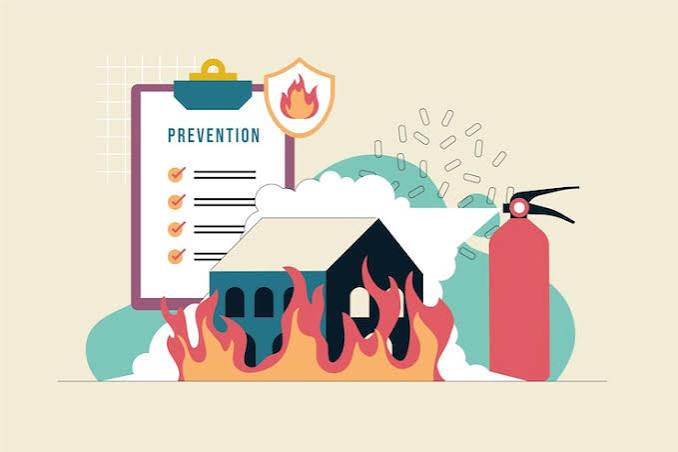
This training develops awareness of fire prevention, fire safety and safeguarding responsibilities. It covers identifying fire risks, preventing fires, emergency procedures, evacuation, protecting vulnerable people and responding appropriately to safeguarding concerns. Learners develop the knowledge needed to help maintain a safe environment, reduce risks and protect children and vulnerable individuals from harm.

This training develops awareness of animal abuse and its connection to domestic and family violence. It covers recognising signs of animal cruelty, understanding the impact on animals and people, identifying safeguarding concerns and knowing how to respond appropriately. Learners develop the knowledge needed to recognise risks, report concerns and help protect both animals and vulnerable individuals from harm.

This section develops an understanding of how to protect children, young people and vulnerable adults from harm, abuse and neglect. It covers recognising signs of abuse, safeguarding responsibilities, reporting concerns, responding appropriately and maintaining professional boundaries. Learners develop the knowledge needed to identify risks, respond to concerns and help create a safe and supportive environment.

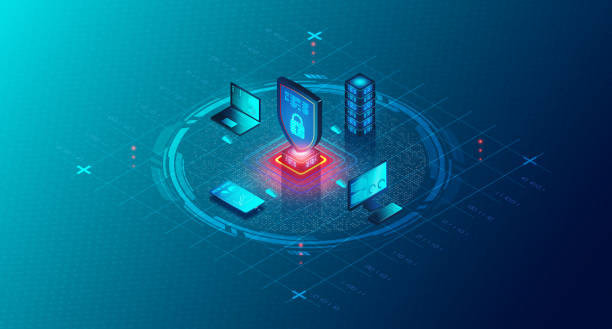
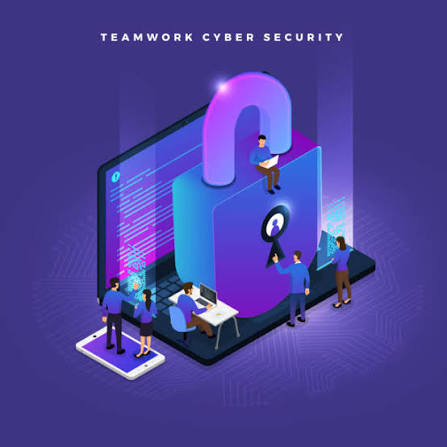
This training develops awareness of cybersecurity risks and how staff can protect themselves and their organisation. It covers phishing, passwords, malware, data protection, safe internet use, social engineering and reporting security incidents. Learners develop the knowledge needed to recognise cyber threats, protect sensitive information and follow good security practices in the workplace.

This module develops knowledge of computer networking and Windows client management. It covers IPv4 and IPv6, DNS, network configuration, network settings and methods for remotely managing Windows devices. Learners develop the skills needed to configure and troubleshoot network connections and manage Windows client devices effectively.

The module also helps prepare learners for Microsoft Exam MD-100: Windows Client.


This module introduces Microsoft Power BI and how it can be used to analyse, visualise and share data. Learners develop skills in creating reports and dashboards, exploring data, building visualisations and collaborating with others, while keeping the original dataset unchanged.

This section introduces learners to their course, learning environment and responsibilities. It covers induction information, equality and diversity, learner expectations, policies, procedures and handbooks. Learners develop an understanding of how to access support, follow course requirements, respect others and contribute to an inclusive and positive learning environment.

This section covers the resources and materials used to support teaching and learning. It includes digital and physical learning materials, presentations, activities, online resources and supporting documents. Learners develop an understanding of how to select, access and use appropriate resources to make learning clear, engaging and effective.

A Learning Plan outlines the goals, activities and progress of a learner throughout their course or programme. It covers learning objectives, planned activities, timescales, assessments and development needs. Learners use it to organise their studies, track progress, identify areas for improvement and work towards achieving their learning goals.